
Intro
Metroidvanias are one of the few video game genres to make a strong comeback. In these games, players explore sprawling, connected worlds, unlock new abilities to reach hidden spots, and revisit old areas to find secrets and move forward. The name “metroidvania” comes from Nintendo’s Metroid series, which started in 1986, and Konami’s Castlevania, especially the 1997 game Symphony of the Night (Gordon, 2025; Igarashi, 2014). After losing some mainstream attention in the early 2000s, the genre made a return thanks to indie developers. Games like Team Cherry’s Hollow Knight: Silksong and Moon Studios’ Ori and the Blind Forest have sold millions and received high praise from critics.
The return of Metroidvanias shows these games still appeal to players, even with the popularity of open-world games. Metroidvanias reward exploration by letting players move forward when acquiring new abilities instead of just roaming large maps (Nutt, 2015). Indie studios have updated classic designs with creative mechanics, unique art, and fresh stories (Gordon, 2025). However, with so many new games released each year, it’s harder for new titles to stand out.
Roots in Classic Games
The Metroidvania genre began in 1986 with Nintendo’s Metroid. Players take on the role of bounty hunter Samus Aran and explore the alien planet Zebes in a 2D side-scrolling adventure. By collecting power-ups like the Morph Ball and missiles, players unlock new paths in a world that is not strictly linear. This introduced the key idea of gated progression, where your skills decide where you can go (Gordon, 2025).
Konami’s 1997 game Castlevania: Symphony of the Night expanded on these ideas by adding role-playing features like experience points, equipment, and a large, connected castle. Directed by Koji Igarashi, the game encouraged backtracking, finding secrets, and exploring in a non-linear way (Igarashi, 2014). IGN’s history of Castlevania explains how this game shaped the genre and left a strong impact. For a wider look at the genre’s history, YouTube’s documentary The Entire History of Metroidvanias explores its evolution in detail.
The Rise in Independent Development
The 2010s represented a major comeback for the genre, helped by easy-to-use tools like Unity and services like Steam (History of digital games, n.d.). Pixel’s 2004 freeware game Cave Story was an early indie success, proving that small teams or even solo developers could make great Metroidvania games (Nutt, 2015).
Team Cherry’s Hollow Knight, released in 2017, became one of the genre’s biggest successes, selling 15 million copies as of 2025 (IGN, as cited in recent reports). The game proved that indie teams could build large, hand-drawn worlds with challenging combat and detailed level design.
Moon Studios’ Ori and the Blind Forest (2015) pushed the genre forward with spectacular visuals, emotional stories, and smooth platforming. Publications like GamesRadar have pointed out that indie developers brought new energy to the genre and set modern design trends.
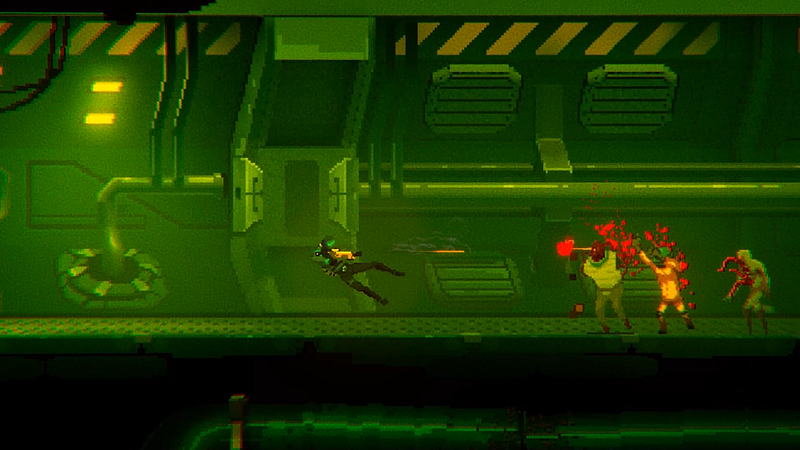
On sites like X, players often share hidden gems such as Death’s Gambit: Afterlife. This shows how community-driven discovery keeps people interested in lesser-known games.
Design Hurdles and Market Saturation
Creating a good Metroidvania calls for careful balance. Developers have to ensure that exploring feels rewarding, not frustrating, and that new abilities truly open up the world. As many developers and articles on Metroidvania design point out, a well-designed map and smart progression system are crucial for keeping players involved (Nutt, 2015). The genre is crowded. Steam lists thousands of games tagged as Metroidvania, with hundreds released every year. With so many choices, standing out takes real innovation. Some developers mix genres, adding Soulslike combat and Gothic horror, like in Blasphemous, to get noticed (Gordon, 2025).
For more about level design, YouTube videos like “How to Design GREAT Metroidvania Levels“ explain the techniques behind successful Metroidvania games.
Conclusion
The indie revival of Metroidvanias blends nostalgia with new ideas, forming modern game design in the process (Gordon, 2025). Communities like Reddit’s r/metroidvania keep discussions, recommendations, and analysis active. Lists from sites like IGN and GamesRadar also help players explore the growing number of games.
As the genre grows, its future will depend on both fresh ideas and deliberate design that honor its roots and encourage new ways to explore.