
As someone who enjoys making gaming content — whether that’s sharing Let’s Plays, streaming, or writing about games — I’ve learned that even a single careless clip or comment can put your whole channel at risk. Copyright, defamation, and privacy issues come up more often than you might think. The good news is that with a few smart habits and some basic legal know-how, you can keep your content safe.
Copyright: The Biggest Boss Fight
Copyright law covers a lot: game trailers, in-game art and music, developer interviews, and even fan art. It’s easy to get caught up in sharing cool moments or reposting trailers, but using someone else’s footage, music, or screenshots without permission can get you in trouble.
Fair use can sometimes protect commentary and criticism. For example, using short gameplay clips in a review to discuss game mechanics, or including a brief audio sample when discussing a controversial patch, may qualify. U.S. courts look at four factors to decide fair use: the purpose and character of your use (transformative commentary is helpful), the type of work, how much you use (keep it minimal), and the impact on the original’s market. You can learn more about Fair Use from the U.S. Copyright Office.
Reaction videos, in-depth threads, and promotional posts are less clear legally and can be riskier. The safest option is to use your own footage, get clear permission from creators, or use royalty-free materials. Entertainment attorney Gordon Firemark explains fair use for podcasters, YouTubers, and filmmakers, emphasizing transformative, limited uses that add real value.
Defamation: One False Claim Can Tank Your Run
It’s easy to get caught up in drama online, but making false claims about a developer or another creator can land you in hot water. Saying someone stole assets or scammed backers without proof is especially risky. I’ve found that sticking to the facts and being careful with opinions is the best way to avoid trouble.
Gaming commentary often means pointing out issues, which is allowed if done responsibly. The most important thing is to be accurate and support your claims with evidence. Legal experts say that the fast pace of social media makes it easy to make mistakes, so it’s important to pause and check your facts before posting. High Swartz LLP outlines common legal issues with social media.
Privacy and Right of Publicity: Don’t Share What Isn’t Yours
Sharing someone’s personal information without their consent, using a developer’s or streamer’s image for promotion, or leaking private details can lead to privacy or publicity rights issues. Posting content across borders can also raise GDPR concerns. Always think carefully before including a coworker’s reaction or anything close to doxxing in your posts. The Public Relations Society of America highlights ethics, copyright, and legal considerations for communicators.
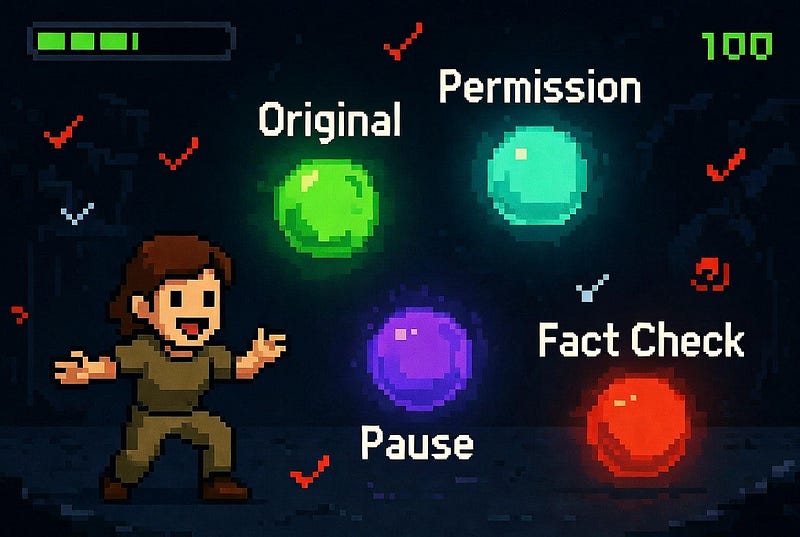
Practical Power-Ups to Stay Safe
- I always try to make my own content — recording my own gameplay, writing my own thoughts, and taking my own screenshots. Making original stuff is the best way to avoid most problems.
- If I want to use something that isn’t mine, I reach out to the developer or creator first. A lot of studios are fine with streaming and commentary, but it’s always worth checking their rules.
- Before I post anything, I stop and ask myself: Is this true? Could it hurt someone? Am I allowed to use this? Taking a moment to think can save a lot of headaches later.
- With fair use, I stick to short clips and make sure I’m adding my own commentary. I avoid posting full replays or anything that could take away from the original creator.
- I’ve found it helps to have my own set of guidelines, double-check my facts, and do a quick review before posting bigger projects.
Social media is a great way to connect with other gamers, but being careful means you can keep sharing what you love. Give credit, be accurate, and play smart so you can keep leveling up without running into legal trouble.
Stay legendary, and keep it legal.
 thegamelagjournal.com