
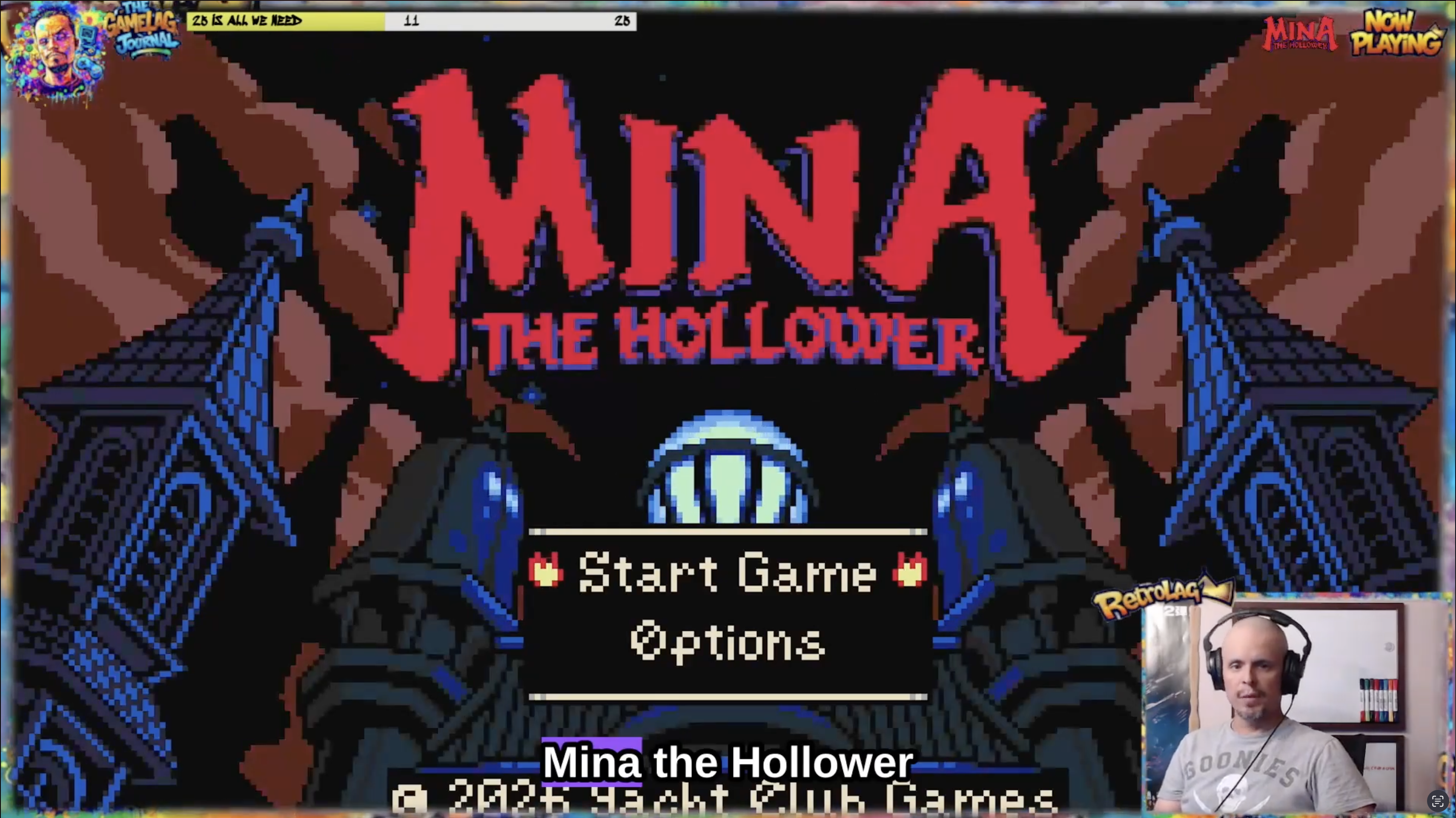
Mina the Hollower comes from Yacht Club Games, the same team that made Shovel Knight. It launched on May 29, 2026, and is available on just about every major platform. The premise is simple: you play as Mina, a Hollower, trying to save a cursed island. What stood out to me was the mix of whip combat, sidearms, and the digging mechanic, all wrapped up in a retro pixel-art style that feels both familiar and fresh.
To put things in perspective, I looked at Bungie’s Marathon, which came out a few months earlier on PlayStation 5, Windows, and Xbox Series X/S. Reports suggest it sold around 1.2 million copies, but with a budget north of $200 million, it faced a sharp drop in daily players after the initial weekend. This comparison isn’t about pitting one game against another, but about understanding how different approaches and scales can yield very different outcomes.
Mina the Hollower, on the other hand, did quite well for what many would call a smaller game. The developers shared that it sold 300,000 copies in its first three days. At $19.99 on Steam and with reviews being overwhelmingly positive, it’s clear that something about this game resonated with people.
Yacht Club Games founder Sean Velasco stated: “Strong sales mean that Yacht Club can keep operating without making cuts or taking outside investment, at least for now.”
I think there are a few reasons why Mina the Hollower found its audience. The lower price point definitely makes it more accessible than a lot of the bigger releases. Its focus on single-player exploration, hidden secrets, and replay value seems to have caught the attention of streamers and spread through word of mouth. Plus, Yacht Club’s reputation from Shovel Knight probably helped build up a fan base that was ready to support the game from the start.
What stands out to me is how Mina the Hollower reached its audience differently from games that depend on huge marketing pushes or live service models. Most of its sales came through digital storefronts, content creator streams, and community conversations. Since the team was small, they could stick to a clear vision without having to navigate the usual layers of approval that come with bigger projects. All of this seems to have helped the game get off to a strong start, both in sales and in reviews, which is no small feat for a studio of this size.
Additional coverage of the game is available on the official Yacht Club Games website and Steam store page.